
FOR BLACK WOMEN WITH A CLIENT PROPOSAL, RENEWAL, OR SCOPE CHANGE COMING UP
What’s Your Rate? A client asks your rate. Know what your answer is built from.
Bring one real proposal, renewal, or scope change. In this live working session, define what the client is buying, establish the boundaries of the engagement, identify the evidence supporting your position, and prepare what to say when the rate question comes before you’ve finished pricing.

The Foundation for Your Fee
What’s included in the $297 workshop
You’ll work on one real engagement and leave with:
- A defined engagement and its scope boundaries.
- Relevant evidence from your prior work.
- The assumptions and unanswered questions that affect your price.
- Language for responding when a client asks for your rate before you’ve established the number.
- Your next action: what you will complete before your response is due.
You will leave with the foundation for your fee, not a completed price.
"You named the thing I couldn’t see on my own: that I was pricing my time instead of what the engagement moves."
"Clarity, simplicity and real data. Numbers are not abstract, and this is a simple way to communicate it."
"Today, I emailed the CEO of a $2M nonprofit that is looking to hire a bookkeeper. With a $2M budget, she is my ideal client for 5-figure services. Before this, I wouldn't have reached out to someone on that level."
Individual results. Quoted with permission.
You have a proposal to send. The fee is still a question.
You know what the client needs.
You can describe work you have done before.
But when you reach the fee line, you find yourself returning to what you charged last time, what someone else charges, or what you think the client will accept.
Then comes the question:
“How did you arrive at that number?”
This session gives you time and structure to work through your answer before you send it.
What to say when “What’s your rate?” comes before you have a number. Practice a response that gives you room to finish your pricing without improvising a quote on the call.
One engagement. One working document.
The workshop builds the engagement, the evidence, your assumptions and your next action. You complete your fee and your rationale after the workshop, on the same document.
The Engagement
What the client receives and where the scope ends.
The Supporting Evidence
Relevant results you can substantiate.
Your Fee
The number you will quote for the engagement you defined.
Completed after the workshop
Your Rationale
A concise explanation of the basis for that price.
Completed after the workshop
Your Assumptions
What remains uncertain and what needs checking.
Your Next Action
What you will complete before your response is due.
Where something is still unknown, your document says so by name. You leave knowing what your number will rest on and what is still open, instead of finding out when the client asks.
Does a valuable past result justify the fee you want to charge now? Work through where that evidence supports your rationale and what the new engagement still requires you to consider.
How the workshop works.
90-minute workshop
First: Define what the client is buying.
In the 90-minute workshop, you will identify the buyer, the decision, and your response date.
The question beneath your fee line: What, exactly, is the client buying? Define the engagement and its boundaries before putting a price beside work you have not fully specified.
You will examine one relevant result from your work and prepare language for responding when a buyer asks your rate before you have completed your pricing.
Bring one unfinished engagement. Leave with the foundation for your fee. Your scope, evidence and open questions stay together on one document, ready for the number.
Bring what you have.
Prepare five things:
- The client decision you are working toward.
- The date your response is due.
A rough outline is enough. You define the scope in the room.
No number yet is fine. The workshop works out what it will rest on. You set it after the workshop, on the same document.
It can come from an employer’s payroll. You work out what it can support without claiming the team’s whole outcome.
Unfinished is fine.
“I don’t know yet” can strengthen your pricing document. Name the open questions that could move your number, before the buyer sees it.
You do not need a polished proposal or a completed portfolio valuation.
Use anonymized descriptions. Do not bring confidential records you are not authorized to share.
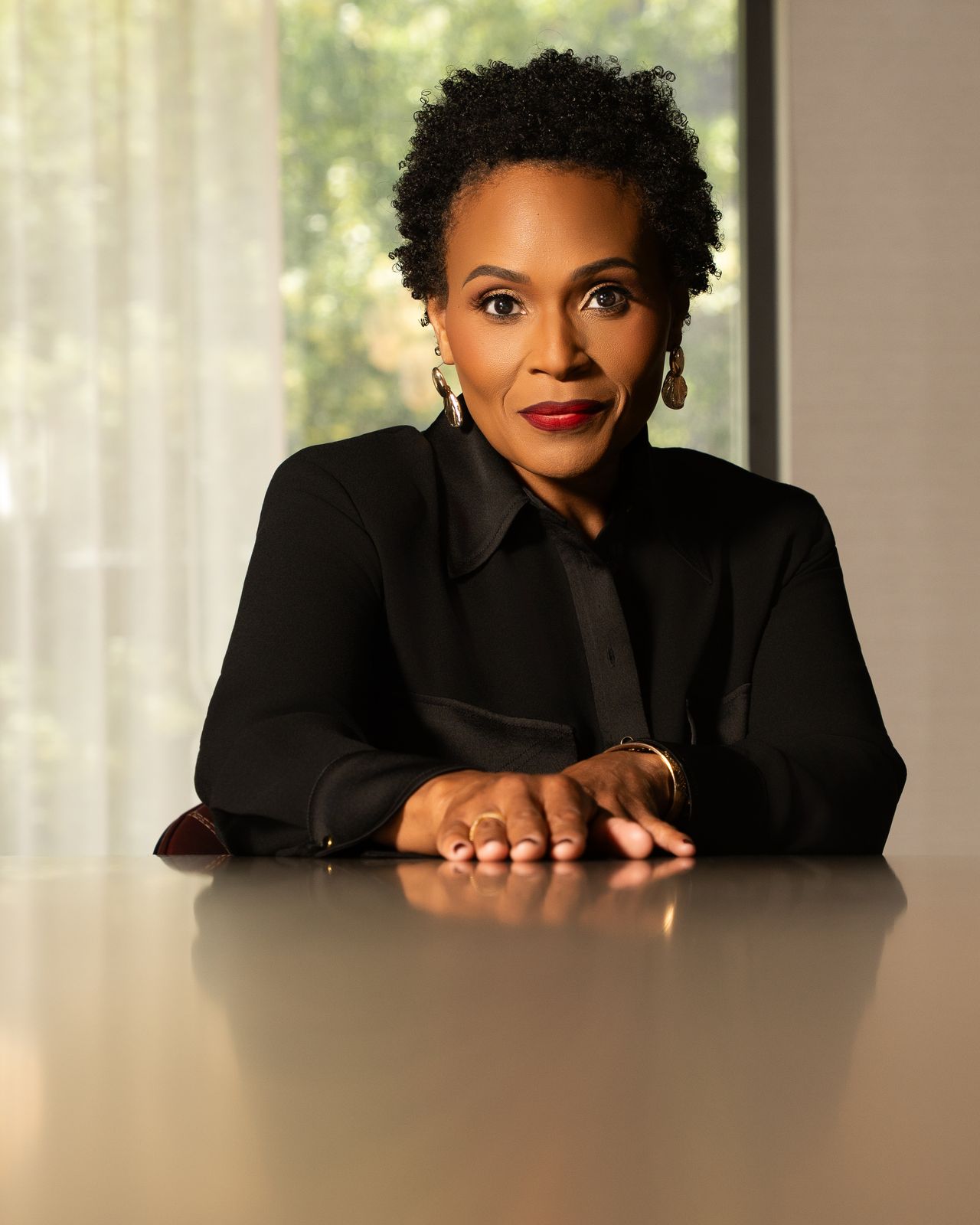
Work with Cynthia Barnes.
Cynthia’s record includes contracts negotiated with 41 enterprise organizations, including Microsoft, Google, Salesforce, Toyota, and Michelin.
She brings that commercial perspective to the questions beneath your fee: what is being purchased, what supports your position, and what remains unresolved.
This workshop fits when:
- You sell your expertise directly to a client.
- You have a proposal, renewal, or scope change to prepare.
- You can work on one specific engagement.
- You want to explain your fee in your own words when the client asks.
Your relevant results do not all have to come from your own business.
Your strongest result may have happened on someone else’s payroll. Examine what it can support in this proposal, without claiming the team’s entire outcome as your own.
Before you register
My situation is specific. Will a group session help with my deal?
You work on your own engagement the whole time, not a sample case. The room gives you the structure and presses on your reasoning. The scope and the evidence are yours.
Will I leave with a price?
You’ll leave with a defined engagement, supporting evidence, identified assumptions, and language for responding to the rate question while your pricing is still being developed. You complete your fee and its rationale after the workshop, on the same document. Where information is missing, you’ll identify the assumptions or decisions that remain open rather than inventing certainty.
Will Cynthia set my rate for me?
No. You’ll develop your own position using the workshop framework. Cynthia facilitates the process, challenges assumptions, and provides group-level feedback. This is not individually researched valuation or private consulting.
What if my proposal isn’t finished?
Bring what you have. You’ll work on defining the engagement and identifying what remains unresolved.
What if my strongest results came from employment?
You can examine relevant experience and results you are authorized to discuss. Distinguish your contribution from team outcomes and protect confidential information.
Does my past financial impact determine my fee?
It can support your rationale. The engagement’s scope, delivery requirements, costs, and commercial context also matter.
What if I cannot attend live?
A replay will be available for 7 days after your session. Live attendance gives you the opportunity to complete the exercises in the room.
Will the client accept my fee?
Nobody can promise you a buyer’s decision. What you control is walking in with a number you can explain instead of one you picked. The workshop builds what that number rests on.
Prepare your answer before the proposal is due.
Bring one engagement. Work through the scope and the evidence. Leave with the foundation for your fee.
Wednesday, October 28 · 7:00 p.m.–8:30 p.m. ET